FREE GUIDE FOR CLASSICAL PIANIST WHO WANTS TO IMPROVISE
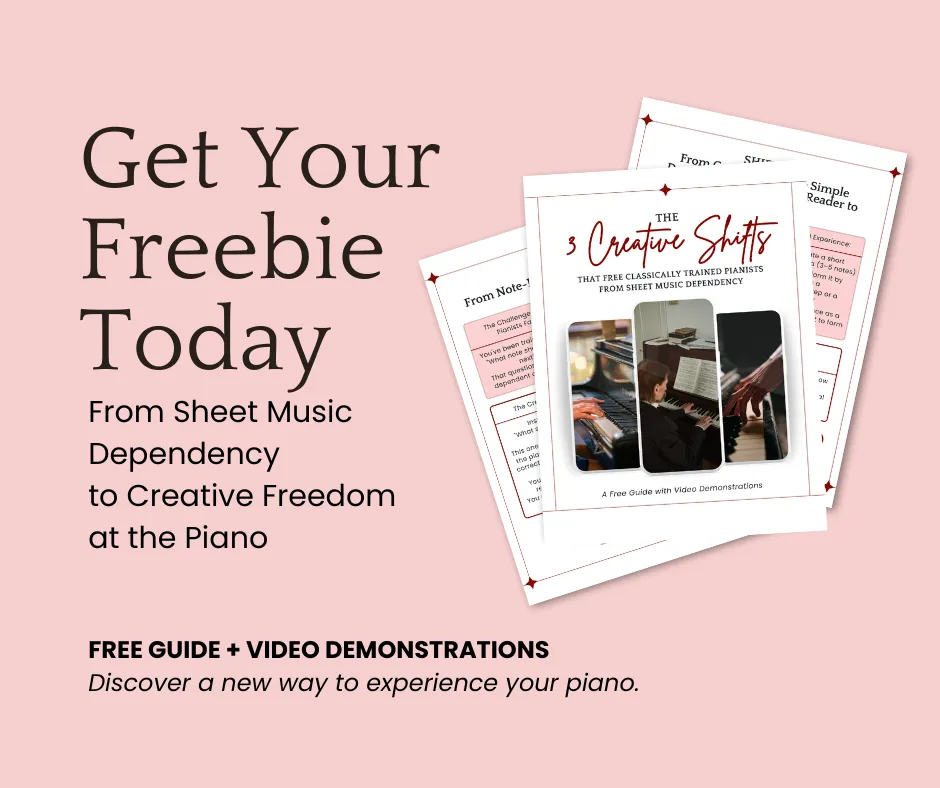
The One Belief Keeping Classically Trained Pianists Trapped by Sheet Music (And the 3 Creative Shifts That Free You)
For classically trained pianists and piano teachers who want to play and teach with freedom and expression—without abandoning their classical foundation.
You've Been Using AI. Your Calendar Is Full. So Why Isn't Your Income Growing?
7 Signs You're Trapped in the Wrong Business Model — And the AI Strategy Built To Unlock Your Income, Impact and Time
✨ Why the "right note" question keeps you stuck—and the single question that unlocks creative listening
✨ The composer's secret to developing musical ideas (it's simpler than you think—and you already know how to do it)
✨ What happens when you stop fearing dissonance and start using it as a tool for emotional expression
You love classical music.
But part of you wishes you could just sit down and play—freely, naturally, without second-guessing every note.
If improvisation has ever felt confusing or "not for you," it's not because you lack creativity.
It's because no one showed you how to approach it in a way that fits your musical background.
In this free guide with video demonstrations, you'll discover a simple, structured path to unlock expression at the piano—without leaving classical music behind.
Most classically trained pianists believe improvisation requires abandoning what they know and learning an entirely new musical language.
But here's the truth:
Improvisation isn't about abandoning classical training—it's about extending it.
The musical knowledge you already have—harmony, phrasing, dynamics, expression—becomes a living, creative language when you learn to listen differently.
This guide will show you how.
What's Inside:

Video Demonstration 1:
How to shift from "What note should I play next?" to "What sound do I hear next?"—and why that one question changes everything
Video Demonstration 2:
How a simple 3–5 note idea becomes a full musical phrase through transformations you already understand as a classical musician
Video Demonstration 3:
How to intentionally play dissonance and resolve it—turning tension into expressive storytelling instead of "mistakes"
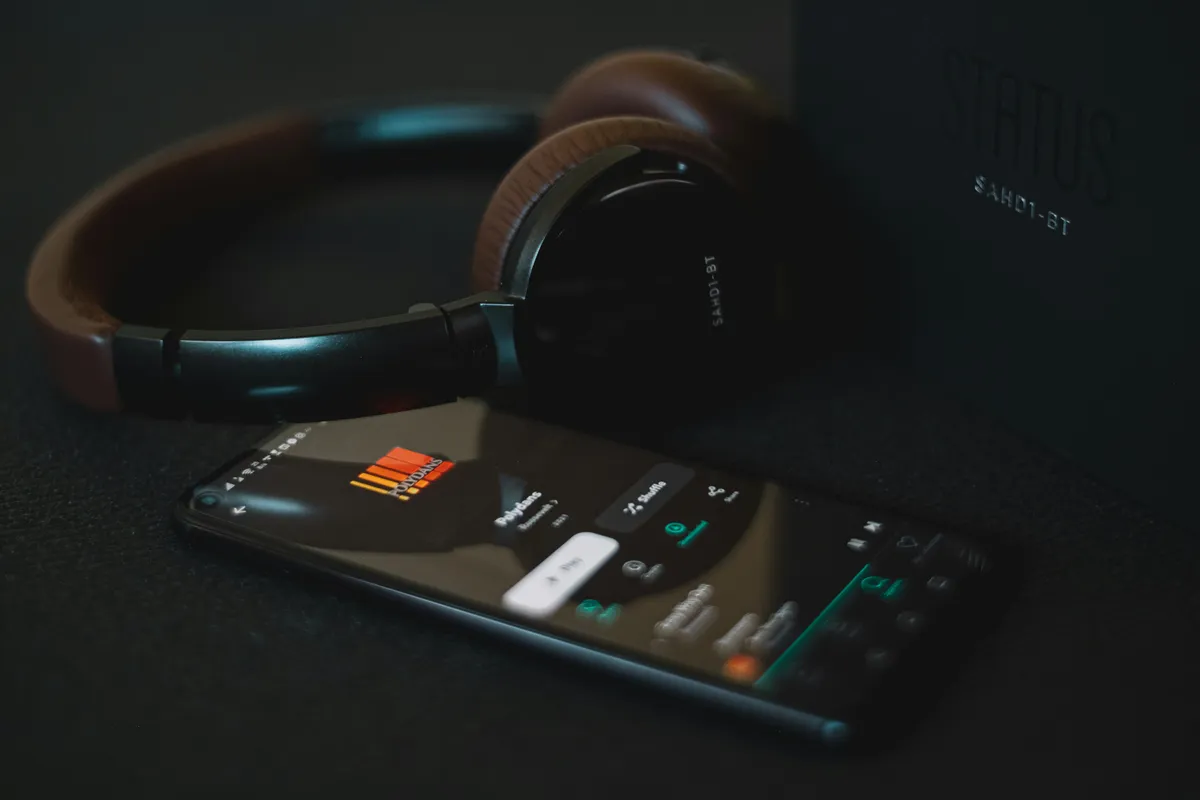
Audio Demonstrations:
How to add variations to Twinke, Twinkle Little Star
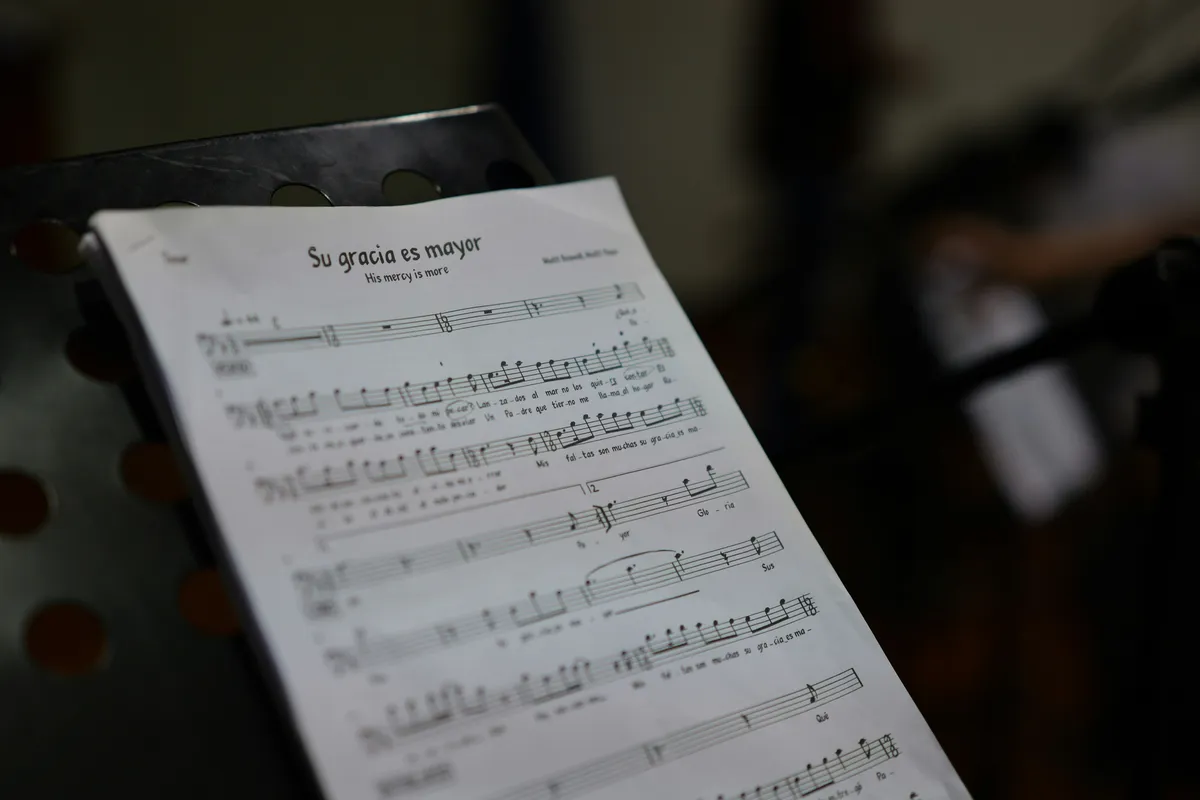
Written Examples of Left Hand Patterns and Motives
PLUS practical explorations you can try at the piano immediately after watching each video and written examples.